An Unconventional Path with the 16 Guidelines and Transformative Mindfulness Methods


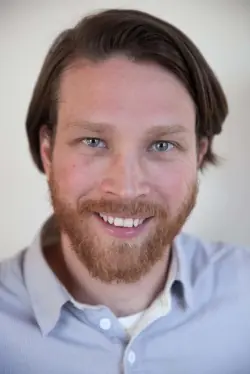
Featuring: Craig Mackie
When Craig Mackie first began teaching the 16 Guidelines (16G), he didn’t take the usual path. While many facilitators presented the 16G as a framework for cultivating happiness and positive psychology, Craig went straight to the heart of human struggle. “I went to the dark side,” he jokes. “To me, this was the path to the most transformation, or at least the one I was immersed in.”
Working with Teens and Addiction Recovery
Working with teens in addiction treatment programs, he developed an 18-week curriculum, one Guideline per week, focused on uncovering and transforming suffering at its root. This was combined with wilderness therapy experiences, creating a deeply immersive process of self-inquiry and healing. As he began sharing this work abroad, from London to France to Barcelona, he realised how different his approach was from the mainstream, and how deeply it resonated.
From Personal Experience to Professional Practice
Born in Ottawa, Craig holds a BA in Developmental Psychology and Philosophy, an MA in Philosophy, and an MSW. He’s worked in wilderness therapy, addiction centres, leadership programs, and alongside marginalised and Indigenous communities. He’s also the founder of Essential Change, maintains a private practice in counselling and coaching, and teaches with the University of Toronto’s Applied Mindfulness Meditation Program.
Integrating the 16 Guidelines with Transformative Mindfulness Methods
This year, Craig is bringing together everything he’s learned: personal, academic, and professional, into a new series of courses that integrate the 16 Guidelines with Transformative Mindfulness Methods (TMM).
The first, Shadow Work with the 16 Guidelines, invites participants to face the parts of themselves they usually avoid: the shadow sides of even their best qualities. Over three sessions, participants create a healing space, meet their resistance with compassion, and begin to transform long-held emotional patterns. The course provides essential tools for anyone who has encountered distress in mindfulness practice and wants to work more deeply with it, not around it.
The second course, Enhancing Positive Qualities, flips the lens: focusing on strengths, inner resources, and the embodiment of helpful traits. Through guided visualisations and somatic grounding, participants connect with role models, call forward their past wisdom, and integrate their most authentic selves into present-day challenges.
Together, these courses form a powerful arc: from the deep work of transforming pain to the uplifting work of strengthening what’s good. Both are rooted in a framework that is spiritual, embodied, and practical, qualities that reflect Craig himself.
Looking Ahead
Later this year, he’ll offer a third course on Transforming Inner Conflict, and hopes to revisit an earlier offering on facilitation skills for transformative practitioners: a course originally shaped by the teachings of Dekyi-Lee Oldershaw and paused during a time of personal loss.
Through it all, Craig’s approach remains clear: real change doesn’t come from bypassing suffering, but by facing it with courage, wisdom, and compassion. His work invites us into that space, where our shadows can be healed and our strengths can shine.

Foundation for Developing Compassion and Wisdom (FDCW)
At FDCW, we are committed to a more compassionate, wiser world. We provide resources, courses and training to develop qualities such as kindness, patience and honesty – qualities that are essential for meeting the challenges of the world we all share.
The Foundation for Developing Compassion and Wisdom (FDCW) was established as a global charity based in London in 2005. Since then, we have provided secular training, programmes and resources across many sectors of society – schools, universities, hospices, workplaces, healthcare, youth groups and community centres. Our courses have reached thousands of people across the world through our dedicated and growing network of facilitators in more than 20 countries.
Support our Work
As a non-profit organisation, FDCW relies on donations like yours to continue producing valuable resources and hosting events. You can support us by sharing our newsletter, following us on social media, and making a donation. Every contribution, big or small, helps us in our efforts, and we truly appreciate it.