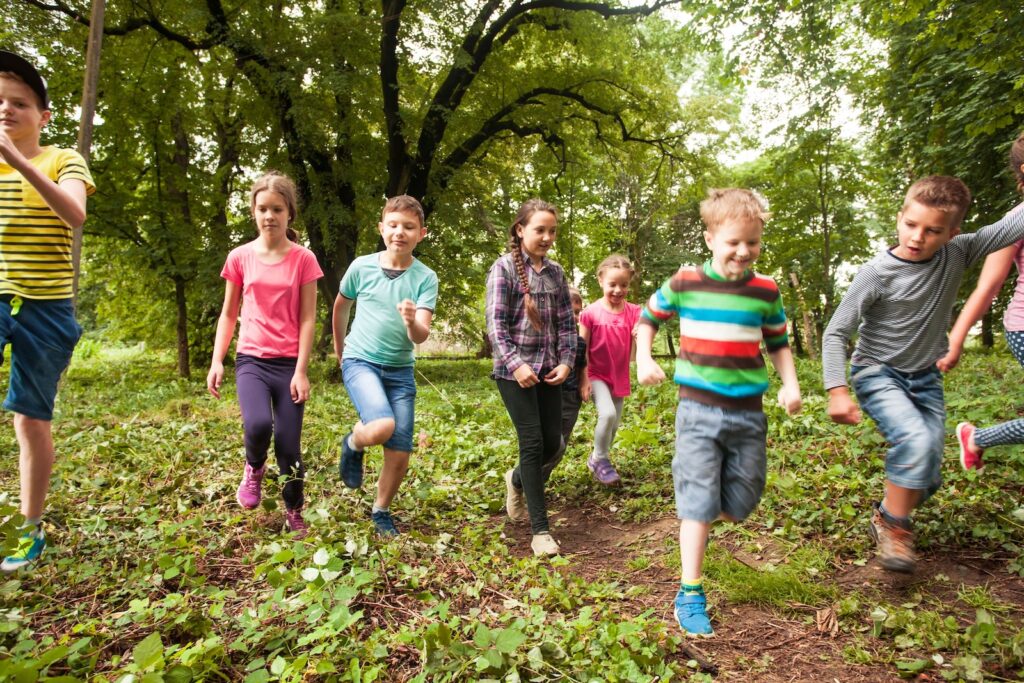
Creating a Classroom of Kindness with the 16 Guidelines

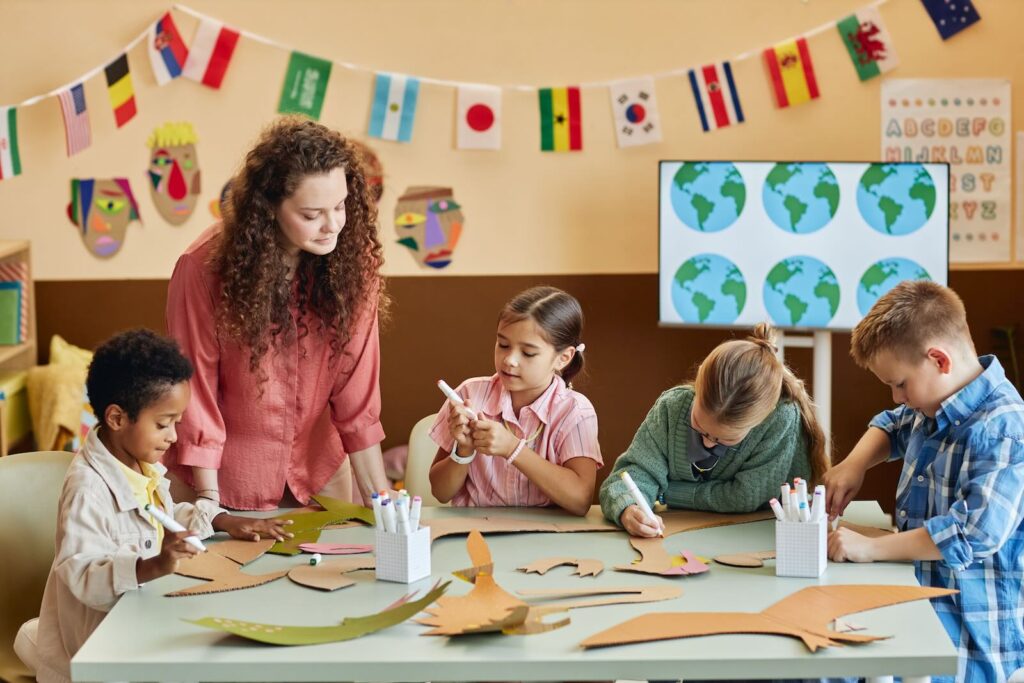

Featuring: Kasia Beznoska
Creating a classroom of kindness is at the heart of Kasia Beznoska’s work with young children. Last month, we shared Authentic Parenting Tips: One Mother’s 16 Guidelines Story, exploring how Kasia Beznoska has used the 16 Guidelines at home with her son over the years. This month, we turn to another side of her experience: the creative and practical ways she has used the 16 Guidelines and mindfulness in the classroom.
For Kasia, these values have never belonged to just one part of life. Alongside her work as a parent, she has also brought them into early years education, helping children explore kindness, reflection and shared responsibility in accessible, meaningful ways.
Based on the East Coast of the USA, Kasia’s background is in psychology and early childhood education. Her work has focused on supporting children and families through play, compassion, respect and understanding. She has also completed Levels 1 and 2 of the 16 Guidelines, and over the years has found thoughtful ways to bring these values into both home life and the classroom.
Bringing the 16 Guidelines into early years education
In 2015, when her son was four years old, Kasia began a playgroup in her home for children aged two to four. Although there were already childcare centres and preschools in the area, she wanted to create something a little different: a warm community space with a touch of universal education.

Looking for guidance, she reached out to Denise Flora for advice on how to include the Ready, Set, Happy curriculum in the playgroup routine. Denise shared helpful ideas and connected Kasia with Sonya Janssens, an educator at McMaster Children’s Centre in Ontario, Canada. Their support helped Kasia expand the way she brought the 16 Guidelines into her work with young children.
A year or two later, she was using the Ready, Set, Happy curriculum in the preschool classroom where she taught in New Hampshire.
A mindful afternoon routine
For Kasia, creating a classroom of kindness was not about enforcing rules, but about helping children shape a shared culture of care, respect and reflection.
One of Kasia’s favourite parts of the day came in the afternoon, after rest time, when the preschool, Kindergarten and first-grade children joined together. It was a mixed-age group, and that gave the time a flexible, natural rhythm. Some children stayed focused, some drifted in and out, and some followed the lead of the older children. That was all part of the process.
This became a lovely opportunity to bring together yoga, mindfulness and the 16 Guidelines in a gentle, practical way.
Kasia would begin by introducing one of the words from the curriculum, such as kindness. The children would talk about what the word meant to them, how it felt when someone was kind, or what kindness sounded like in everyday life. These were simple conversations, but meaningful ones. Rather than being told what kindness should look like, the children were invited to reflect on it for themselves.
Creating mandalas together
After their discussion, the children would create a mandala using sand, stones, feathers and other simple materials. As they worked, Kasia would ask a question linked to the day’s theme. If the word was kindness, for example, she might ask: How can we create a classroom full of kindness?
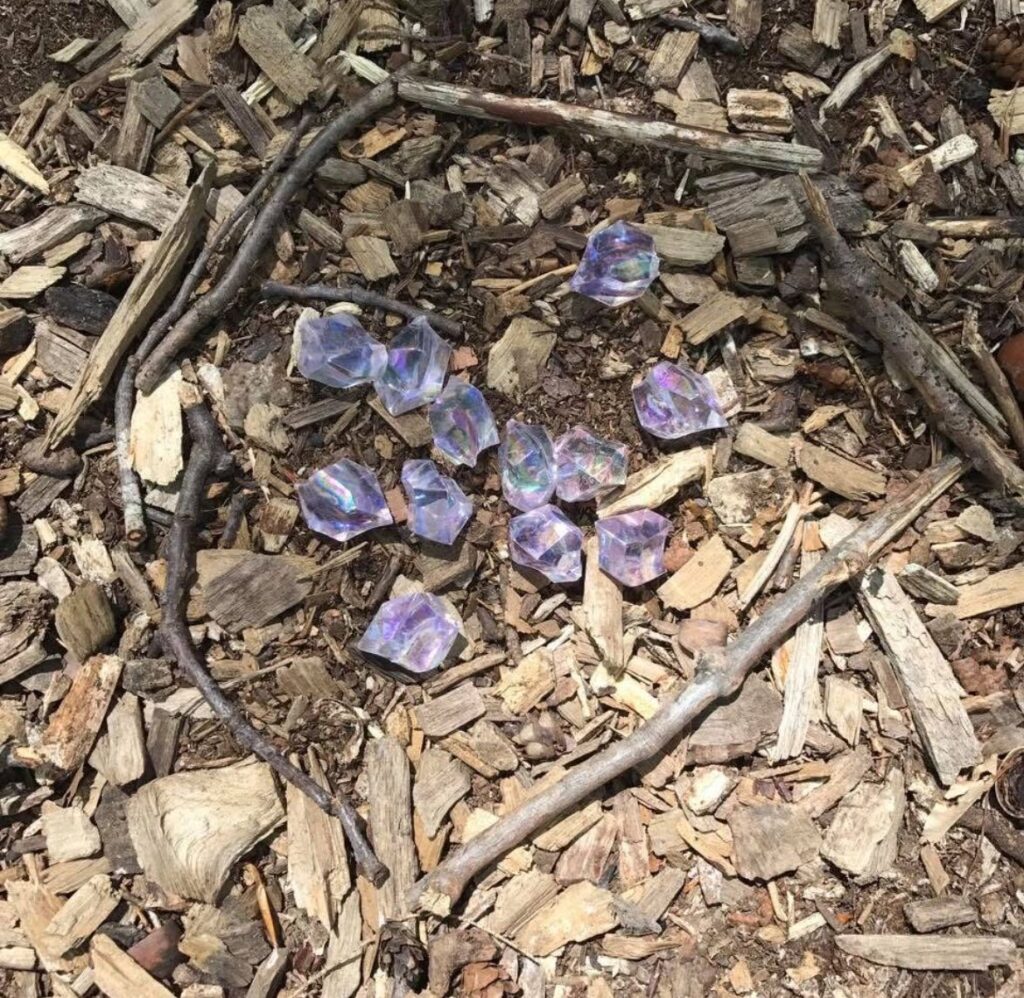
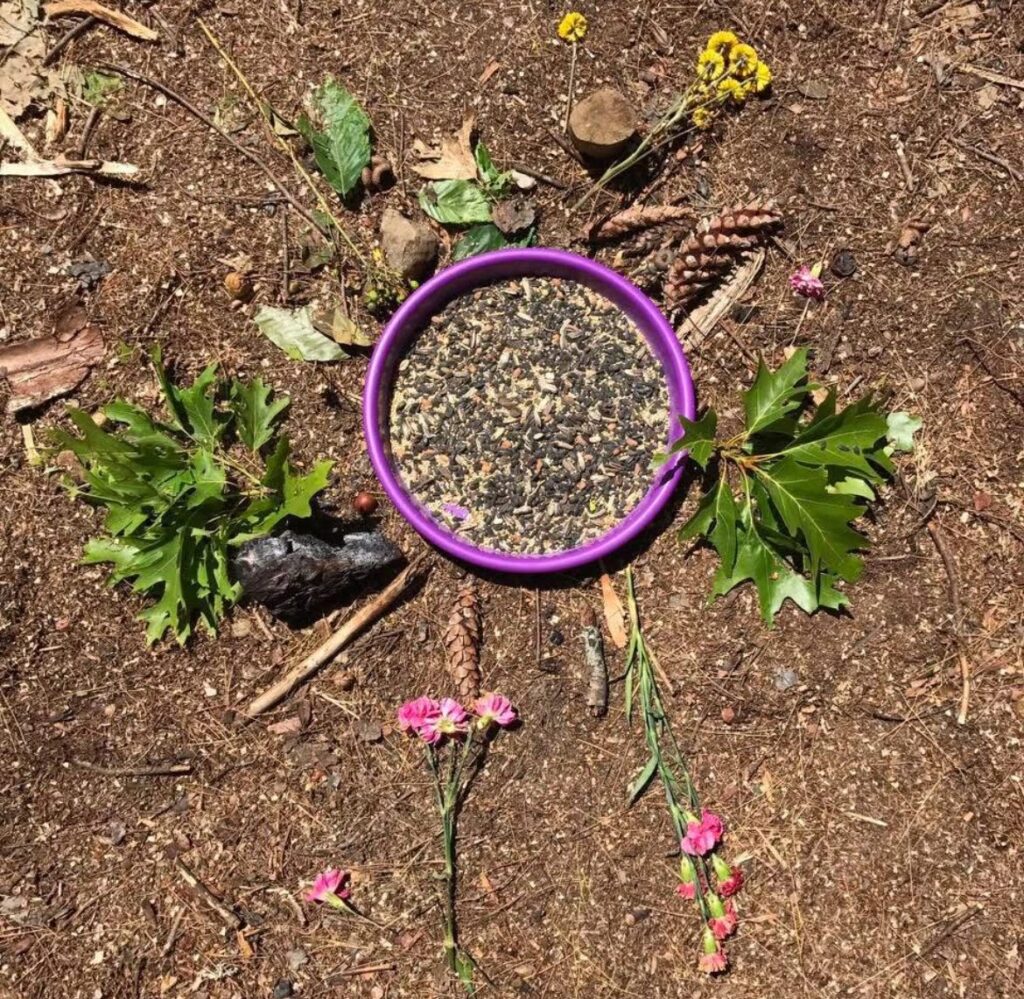
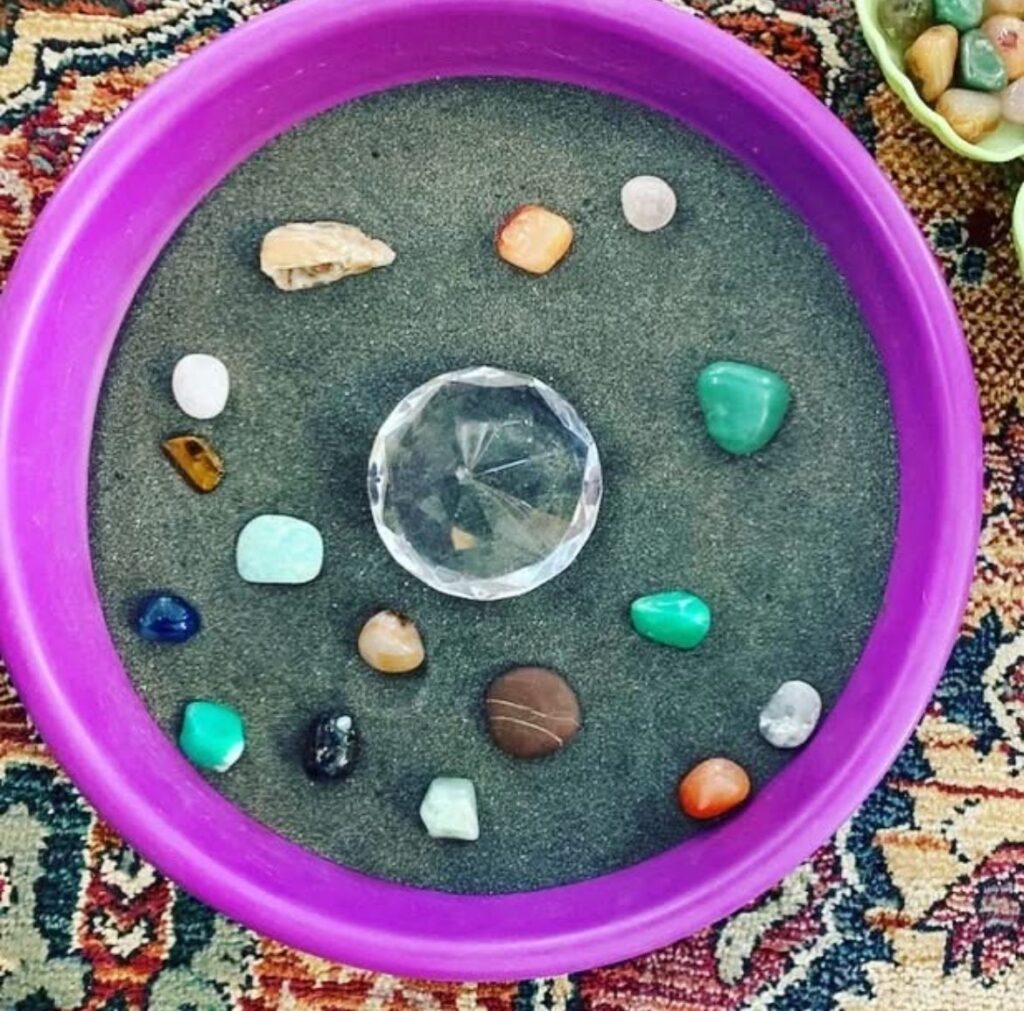
One by one, the children would add something to the mandala and share an idea. Sometimes their answers were similar. Sometimes they wandered into stories about pets or home life. In a mixed-age classroom, that was perfectly fine.
“The idea was that we were coming together, planting seeds of mindfulness and creating something together.”
At the end of the activity, the children would send good wishes to someone they loved or were thinking of. They would gather their hands at their heart and then stretch them out wide, as if sending those wishes into the world. Afterwards, they often felt proud of the mandala they had made and would carefully place it on a shelf for others to enjoy that afternoon.
Building a classroom culture of kindness
For Kasia, these activities were about much more than art. Using the 16 Guidelines in this way helped create a classroom culture based on values that felt good to everyone, because the children themselves helped shape it.
“Including them in this way allowed them to hold themselves and others accountable rather than a teacher needing to intervene during conflict.”
By including them in the conversation, she gave them a sense of ownership over how they wanted to treat one another. That meant kindness, respect and care were not simply classroom rules imposed by an adult. They became shared values that the children could recognise, practise and return to together.
This is one of the strengths of the 16 Guidelines. They can be explored in ways that are creative, age-appropriate and practical, helping children experience positive values through action, imagination and shared reflection.
From home to classroom
Readers who enjoyed last month’s article about Kasia’s parenting journey may notice the same thread running through her classroom work. Whether at home or at school, she returns to the same foundations: listening without judgement, making space for reflection, encouraging emotional awareness and helping children build strong inner values in everyday life.
The photographs accompanying this article show some of the carefully created mandalas made by children in that preschool to Grade 1 afternoon classroom. They offer a lovely glimpse of what can happen when mindfulness, creativity and shared values come together.
Parents, carers and educators who would like to explore this further can also find helpful resources for children and teenagers on the FDCW website, including 16 to Live By for Teens, 16G Happy Toolbox for Kids, Growing with the 16 Guidelines, and Ready, Set, Happy for Children.
Those interested in Kasia’s wider work with children, yoga and mindfulness can also learn more through Growing With Yoga and on Instagram at @growingwithyoga.

Foundation for Developing Compassion and Wisdom (FDCW)
At FDCW, we are committed to a more compassionate, wiser world. We provide resources, courses and training to develop qualities such as kindness, patience and honesty – qualities that are essential for meeting the challenges of the world we all share.
The Foundation for Developing Compassion and Wisdom (FDCW) was established as a global charity based in London in 2005. Since then, we have provided secular training, programmes and resources across many sectors of society – schools, universities, hospices, workplaces, healthcare, youth groups and community centres. Our courses have reached thousands of people across the world through our dedicated and growing network of facilitators in more than 20 countries.
Support our Work
As a non-profit organisation, FDCW relies on donations like yours to continue producing valuable resources and hosting events. You can support us by sharing our newsletter, following us on social media, and making a donation. Every contribution, big or small, helps us in our efforts and we truly appreciate it.