

Facilitator Skills Training Module 2: Practicing – Putting Skills into Practice


About FDCW and our Facilitation Training Courses
The Foundation for Developing Compassion and Wisdom (FDCW) supports people worldwide to develop compassion and wisdom for a happier life. By understanding the mind more deeply, examining our emotions, and appreciating the interconnection of all life, we offer a range of training, courses, online tools and resources to help individuals become a source of strength, inspiration, and comfort to others.
As part of our commitment to supporting those who share these teachings, we developed the Facilitator Skills Training Programme. This online programme is designed to strengthen your facilitation training skills and impact as a group leader. Whether you are leading meditation sessions, teaching the 16 Guidelines, or facilitating educational workshops, this training supports you in building the confidence and capability to guide meaningful, inclusive, and safe group experiences.
The facilitation courses are delivered in three modules that build on one another, while each module can also stand alone as a complete learning experience.
From Foundations to Practice
When we launched the Facilitator Skills Training in late 2025, the overwhelming response showed us just how much people were craving practical support in leading groups. Module 1 gave us the foundations: the eight core skills, the ethics, and the mindset of a “Guide on the Side, Not Sage on the Stage.”
But knowing the tools and using them in the heat of the moment are two very different things. That was the starting point for Module 2.

A Truly Global Gathering
In May 2026, senior faculty member Wendy Ridley and 16 Guidelines facilitator Lizzy Lewis hosted two training sessions of Module 2: Practicing – Putting Skills into Practice.
The global reach of these sessions was remarkable. Participants logged in from 16 different countries, including Mongolia, India, Australia, New Zealand, the UK, USA, Canada, Mexico, France, Spain, Italy, Germany, Austria, Israel, Nepal, and Russia.
To set the stage, we asked everyone an opening question: What quality as a facilitator would you most like to strengthen?
The answers revealed a shared desire to move beyond basic technique into true presence. Participants shared that they wanted to strengthen their ability to:
- “Keep my mind very open… so I can sense arising issues and remain capable to respond wisely rather than react.”
- “Remain equanimous in all situations.”
- “Work with challenging moments!”
- “Set boundaries and regulate self in difficult situations.”
- “Gain confidence… [and] resolve situations when suddenly I’m not anymore sure about what I’m saying.”
From Knowing to Being
While Module 1 focused on awareness, core tools, and recognising what good group facilitation looks like, Module 2 is about application.
This two-hour online practice lab is Facilitator Masterclass designed to help facilitators make the shift from knowing what to do to knowing how to be when situations become complex, emotional, or unpredictable. Through reflection, demonstration, and peer learning, participants explored how to make sound judgment calls, work with intuition, and adapt skillfully under pressure.
Insights from the Practice Lab
Wendy and Lizzy noted how much they enjoyed offering the training, but the survey feedback from participants truly highlighted the impact of the sessions. With confidence and tool-rating scores averaging between 8 and 10 out of 10, participants walked away content with practical strategies they can use immediately.
The Power of Real Scenarios
Post-session feedback showed that participants highly valued the breakout rooms and group work providing the chance to workshop difficult situations.
“I particularly liked the four scenarios which provided the opportunity to interact... I felt very immersed,” shared one participant.
Another noted the practical relief of the training:
“Having a sentence ‘up one’s sleeve’ is such a good strategy and very helpful in feeling that one is not put on the spot trying to respond to a particular group dynamic.”
“The conflict resolution was very informative and opened my eyes,” added another.
This feedback underlines the value of having not just theoretical knowledge but ready-to-use tools that empower facilitators to handle unforeseen challenges with ease. By exploring real-life scenarios, facilitators can anticipate and rehearse responses, ensuring they feel prepared and capable in managing group dynamics effectively.
Practicing Proactive Skills
One of the standout elements of the training session was the emphasis on proactive skills. Rather than solely focusing on reactive techniques, participants practiced initiating engagement and creating an inclusive environment actively. This involved techniques like setting a positive tone from the start, encouraging quieter participants to share their thoughts, and utilising active listening to acknowledge contributions and build trust.
The consensus amongst participants reflected that these proactive measures were instrumental in setting the stage for more productive and harmonious group interactions and collaborations.
Shifting the Mindset
A major theme of Module 2 was realising that facilitation isn’t about having all the answers. As one participant beautifully put it, the training gave them more confidence
“both in myself but also in other people - that the magic lies within the group.”
Another echoed this, highlighting the joy of
“realising that facilitation really is about bringing out what [is already there].”
Holding, Not Fixing
Participants found great relief in letting go of the need to ‘fix’ the group. Highlighting the wisdom shared by the trainers, one participant specifically noted a key takeaway from Wendy:
“The main thing is: Don't try to fix it, the role is to hold the group, not to fix the individual,” alongside the reminder of how “valuable it is to share our own vulnerability.”
Community and Connection
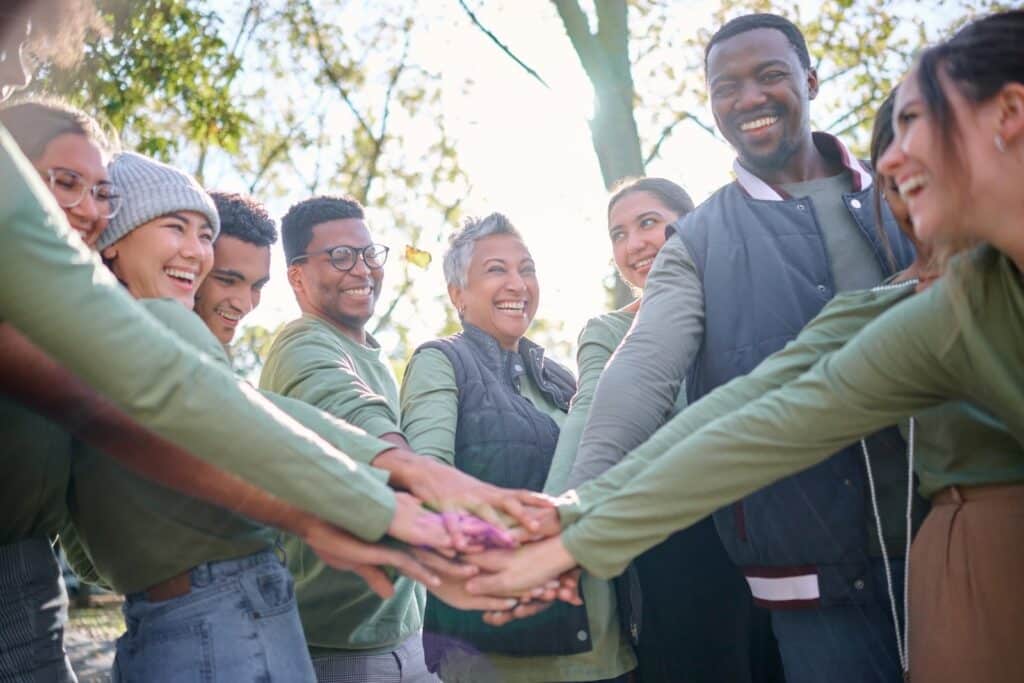
Beyond the skills, the global cohort deeply valued the shared experience.
“It is wonderful to connect and learn from other facilitators,”
noted one participant, while another added,
“It was most wonderful to connect with everyone, familiar and new.”
At the end of the live sessions, the Zoom chat was full of final words of gratitude:
“An excellent session, lots of Learning :)”
Meet the Trainers
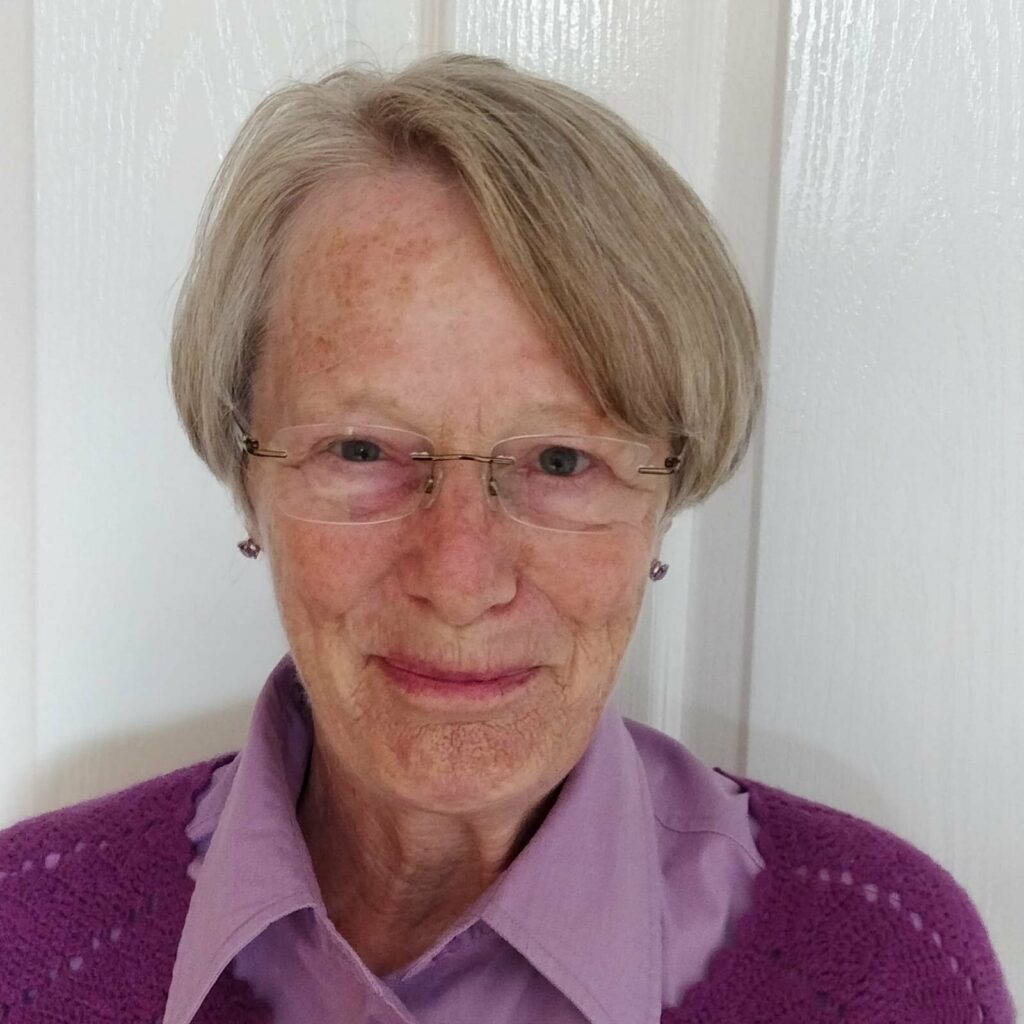
Wendy Ridley is a Senior Faculty member teaching all levels of 16 Guidelines, 16G for children and teens, Unlocking Your Potential, and Building Balanced Empathy, as well as training our next generation of facilitators. She is an Education Consultant and sits on the FDCW board, bringing over 30 years of experience in education to her passion for developing empowering training programmes.

Lizzy Lewis is a 16 Guidelines Level 1 facilitator based in West Sussex, UK. She has worked in education for the past 27 years as a teacher, teacher educator, senior charity manager, consultant, and writer, specialising in Philosophy for Children (P4C), Mindfulness, and Values-based Education.
Join Us in October
If you missed the May sessions, or if you took Module 1 and are ready to put your skills into practice, we are delighted to offer Module 2 again this October.
To accommodate our global community, the two-hour online practice lab will be held across two time zones:
- PM Session: 19 October 2026 | 5:00 pm – 7:00 pm BST
- AM Session: 20 October 2026 | 8:00 am – 10:00 am BST
This training is open to facilitators, educators, meditation leaders, and anyone leading group discussions.
Click here for full details, registration, and information on our ‘donate what you can’ basis.
(Note: As always, all of our trainings and courses are offered free to ordained sangha.)
Looking Ahead
Following Module 2, participants are invited to continue their journey in Module 3, where the training will explore embodied facilitation, intentional facilitation moves, and working with complexity (Dates TBC).
Each module of the Facilitation Skills Training Pathway builds on the last, but can also stand alone as a complete learning experience. We look forward to practicing with you in October!

Foundation for Developing Compassion and Wisdom (FDCW)
At FDCW, we are committed to a more compassionate, wiser world. We provide resources, courses and training to develop qualities such as kindness, patience and honesty – qualities that are essential for meeting the challenges of the world we all share.
The Foundation for Developing Compassion and Wisdom (FDCW) was established as a global charity based in London in 2005. Since then, we have provided secular training, programmes and resources across many sectors of society – schools, universities, hospices, workplaces, healthcare, youth groups and community centres. Our courses have reached thousands of people across the world through our dedicated and growing network of facilitators in more than 20 countries.
Support our Work
As a non-profit organisation, FDCW relies on donations like yours to continue producing valuable resources and hosting events. You can support us by sharing our newsletter, following us on social media, and making a donation. Every contribution, big or small, helps us in our efforts and we truly appreciate it.


